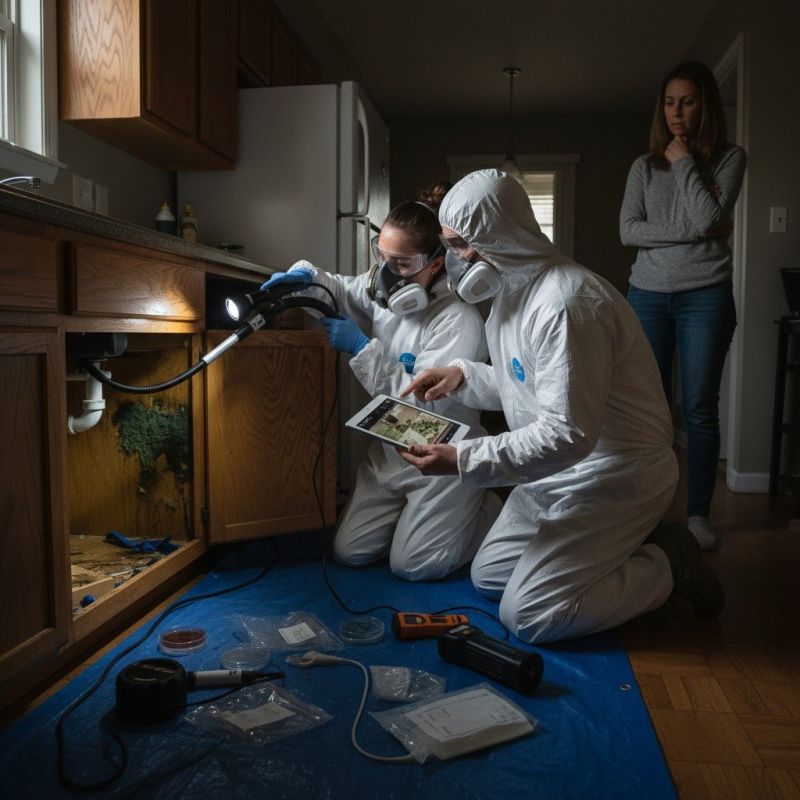
Mold Inspection And Removal in Essex County, NJ
Mold inspection and removal services are designed to identify and eliminate mold growth in residential properties. These services typically cover areas such as basements, attics, bathrooms, and other moisture-prone spaces where mold can develop. Property owners often seek inspections to determine the presence of mold, especially after water damage, leaks, or signs of excessive moisture. Removal involves safely eliminating mold colonies and addressing underlying issues to prevent future growth, helping to maintain a healthier living environment.
Before requesting mold inspection and removal, homeowners usually want to understand what the process involves, including the scope of testing and the steps taken to remove mold safely. It’s common to inquire about potential health effects, the types of mold that may be present, and measures to prevent recurrence. Having clear information about the extent of mold growth and recommended remediation steps can help property owners make informed decisions about maintaining a safe and mold-free home.
Many property owners in Essex County, NJ look into Mold Inspection And Removal for repairs, replacements, upgrades, and appearance-related improvements.
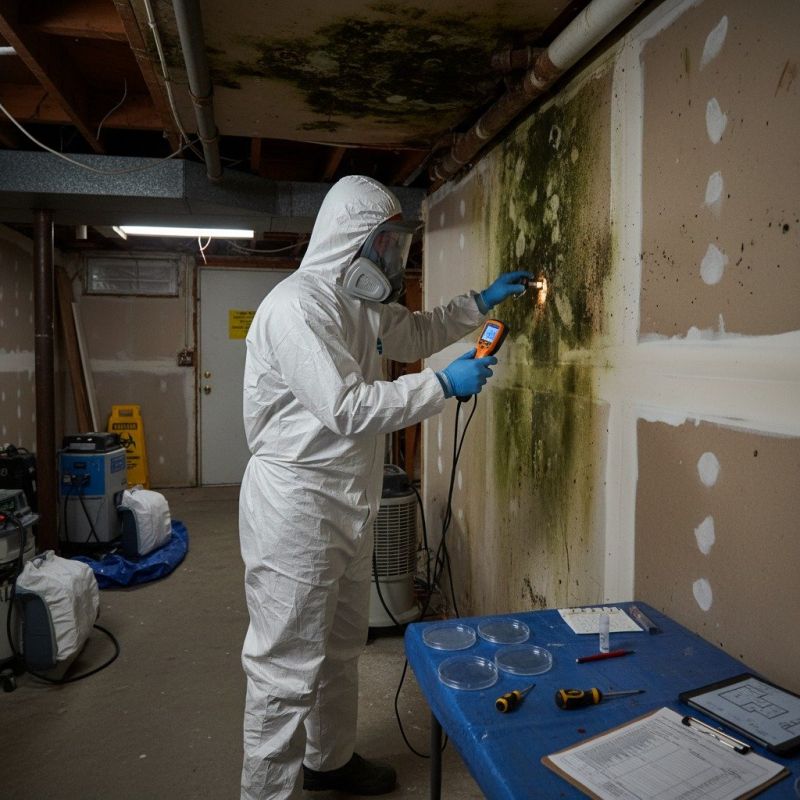
Identifying Mold Issues
Comprehensive inspections help detect hidden mold growth in homes and commercial properties.
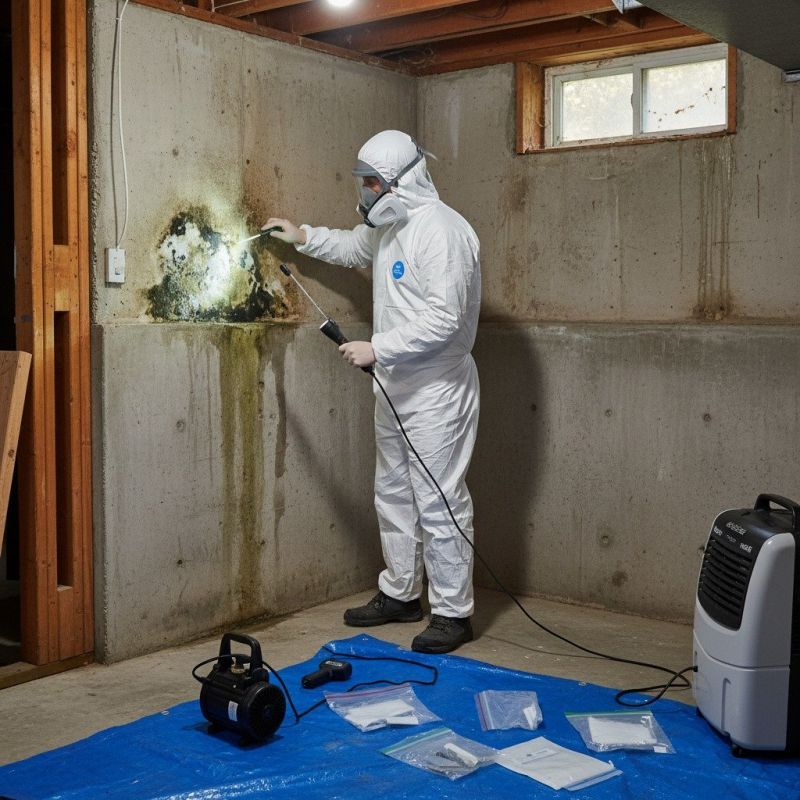
Effective Mold Removal
Professional removal services eliminate mold from affected areas to improve indoor air quality.
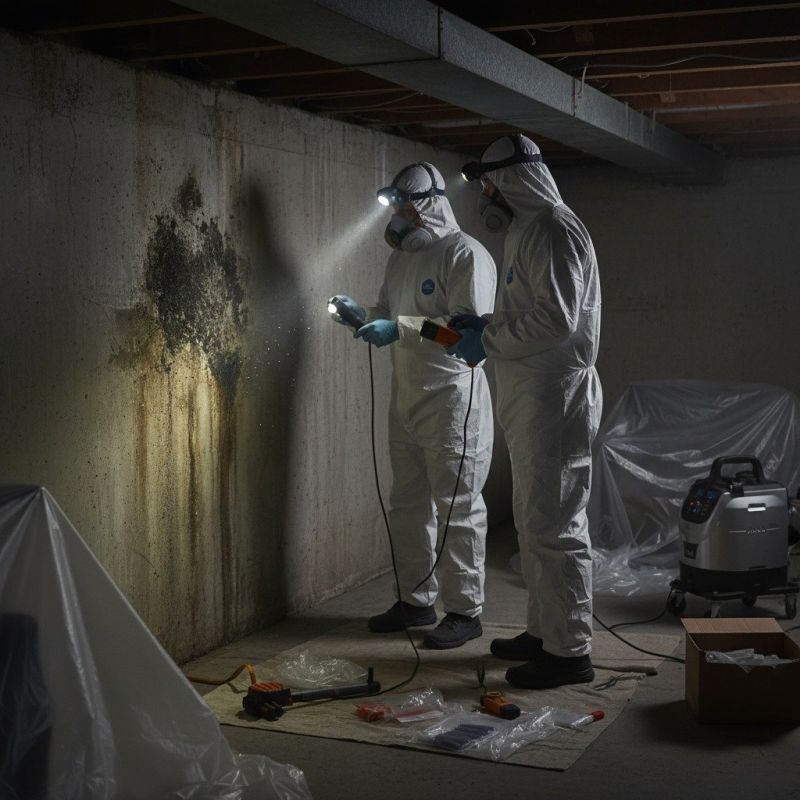
Preventing Future Growth
Addressing moisture problems and implementing proper ventilation reduces the risk of mold returning in essex county homes.
Mold Inspection And Removal in Essex County, NJ
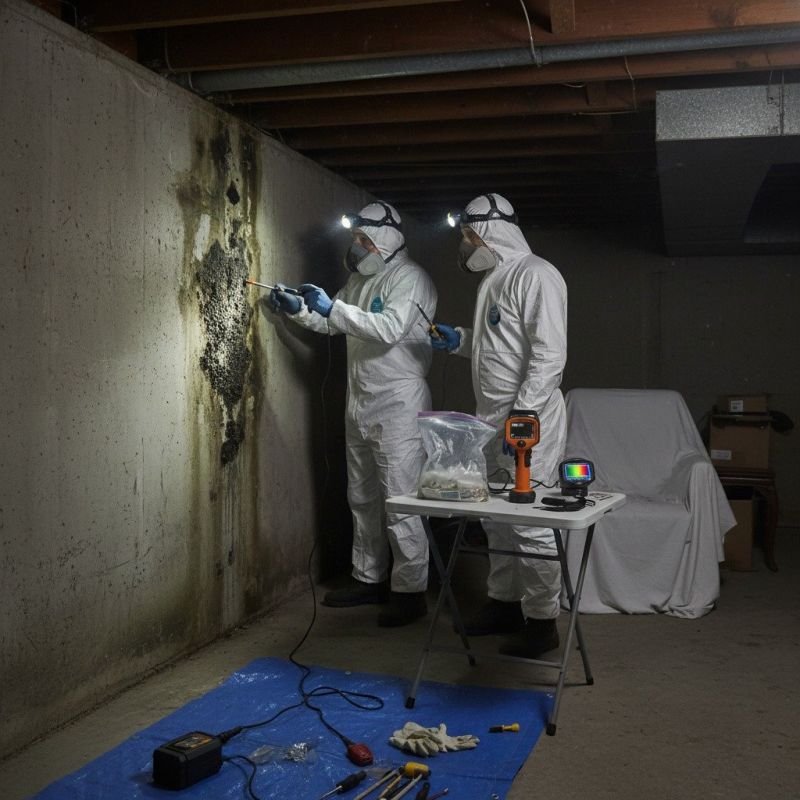
Mold inspection and removal services are designed to identify and eliminate mold growth in residential properties. These services typically cover areas such as basements, attics, bathrooms, and other moisture-prone spaces where mold can develop. Property owners often seek inspections to determine the presence of mold, especially after water damage, leaks, or signs of excessive moisture. Removal involves safely eliminating mold colonies and addressing underlying issues to prevent future growth, helping to maintain a healthier living environment.
Before requesting mold inspection and removal, homeowners usually want to understand what the process involves, including the scope of testing and the steps taken to remove mold safely. It’s common to inquire about potential health effects, the types of mold that may be present, and measures to prevent recurrence. Having clear information about the extent of mold growth and recommended remediation steps can help property owners make informed decisions about maintaining a safe and mold-free home.
Many property owners in Essex County, NJ look into Mold Inspection And Removal for repairs, replacements, upgrades, and appearance-related improvements.
Common Mold Inspection And Removal Jobs
Mold Inspection Services - thorough assessments to identify mold presence and sources within residential properties.
Mold Removal Services - targeted cleaning and remediation to eliminate visible and hidden mold growth.
Water Damage Restoration - addressing moisture issues that can lead to mold development.
Air Quality Testing - evaluating indoor air for mold spores and airborne contaminants.
Mold Prevention Solutions - strategies to reduce future mold growth and maintain a healthy home environment.
Property Inspection Consultations - expert advice on mold risks and recommended remediation steps.
Mold Inspection And Removal Questions
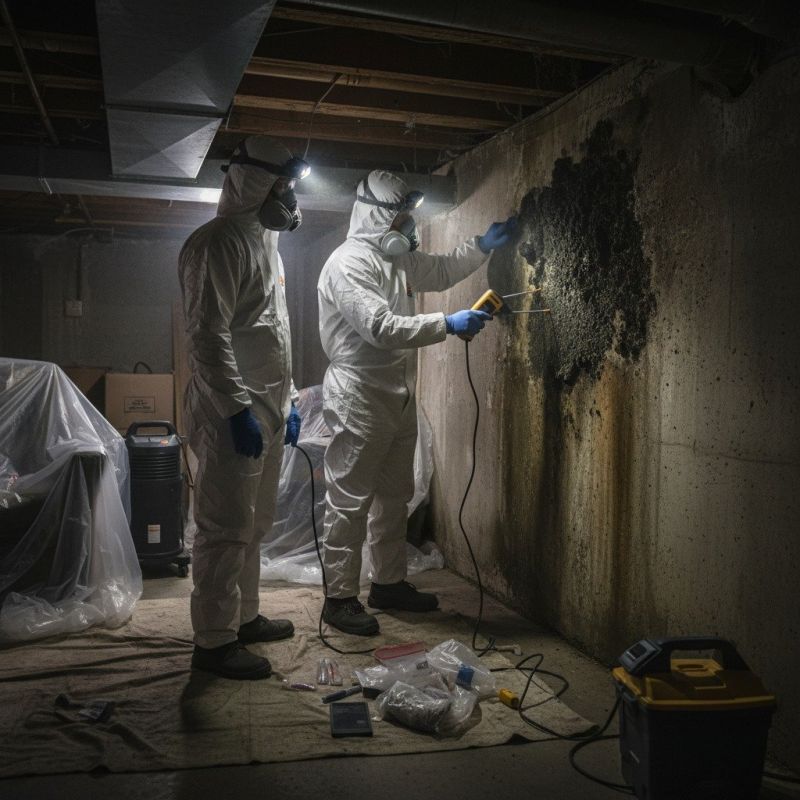
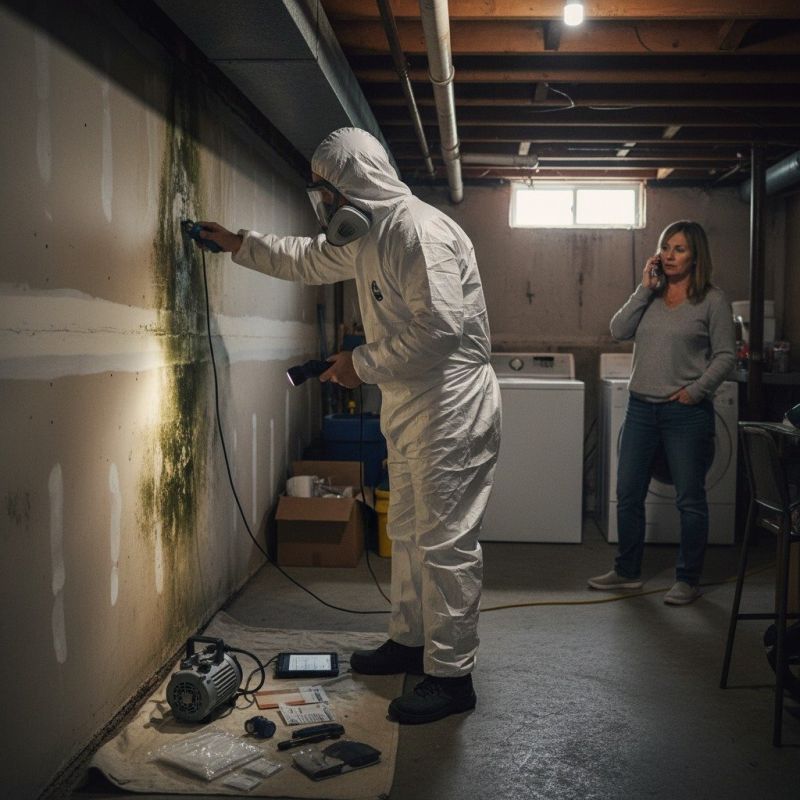
What is involved in a mold inspection? A mold inspection typically includes a visual assessment of the property and may involve air and surface sampling to identify mold presence and extent.
When should mold removal be considered? Mold removal is recommended when mold growth is visible or suspected, especially if it is causing health concerns or property damage.
Are there different types of mold that require specific removal methods? Yes, different mold types may require tailored removal approaches, particularly if certain molds are toxic or difficult to eliminate.
What areas are commonly affected by mold in homes? Mold often develops in areas with excess moisture, such as bathrooms, basements, around leaky pipes, and behind walls.
Request Mold Inspection And Removal in Essex County, NJ
Use the quote form on this page to share the basics of your project and request more information for the type of work you need.